



Brandywine | Hebron Brick
Photo Credit: Hammer Masonry
Brick is often selected for its appearance, but the characteristics that create that appearance can also affect installation.
Size, dimensional variation, suction, texture and finish all influence how the product behaves once work begins. Some differences are obvious when the brick arrives. Others become more apparent after mortar is mixed, the first courses are laid or cleaning begins.
For masonry installers, understanding those differences early can help reduce unnecessary cutting, inconsistent joints and cleaning problems later.
Start With the Actual Dimensions
The product name or nominal size does not always tell the full story.
The actual length and height of the brick, together with the mortar-joint thickness, determine how the wall will course. These measurements affect alignment around windows, doors, corners and transitions to other materials. They can also change where cuts are required.
Brick depth can also affect detailing where the masonry meets adjacent materials.
Special shapes are another consideration. Corners, returns and other units may not be available for every product.

Red Blend | Endicott
Photo Credit: Nestworks Construction

Dimensional Variation Changes the Approach
Actual dimensions establish the product size. Dimensional variation describes the differences that may occur between individual units.
Some brick products are highly consistent in size and shape. Others have more variation as part of their intended character.
That variation can affect joint consistency across the wall. It does not necessarily indicate a problem with the product, but it should be understood before the joint approach is established.
Manufacturer tolerances describe the expected range. The delivered brick shows how much variation is actually present.

Obsidian Shadow| King-Klinker
Suction Is Not the Same as Absorption
Initial rate of absorption, or IRA, describes how quickly dry brick takes in water when it first comes into contact with water.
This is different from total absorption, which measures how much water the brick can absorb over time.
The distinction matters because suction can influence how the brick interacts with mortar. A product that draws moisture quickly may behave differently during placement and adjustment than one with a lower suction rate.
Mortar properties, weather and site conditions also influence that interaction.
Where product data is available, it can be reviewed alongside the project specifications and manufacturer recommendations. Any decision to wet the brick should be based on the specific product, site conditions and applicable technical guidance.

Black Glazed | Glen-Gery
Texture and Finish Affect Handling
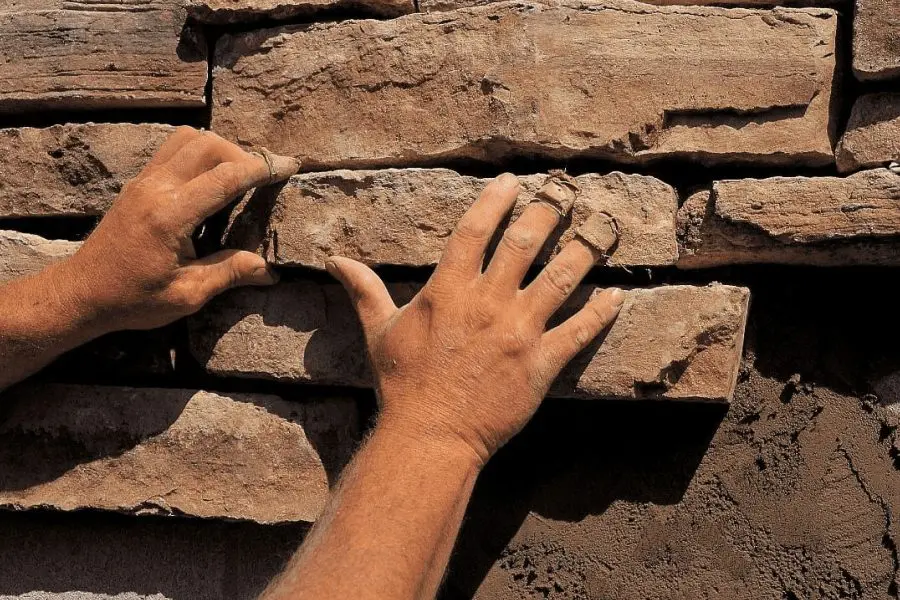
Texture and finish can affect how easily the brick face or edges are marked during handling.
Smooth, sanded, coated or glazed products may show scratches, chips or other surface damage more readily than products with a more irregular finish. Mud, standing water and improper storage can also affect the finished appearance.
Some products may include specific storage or handling requirements. These should be confirmed in the manufacturer’s product literature.

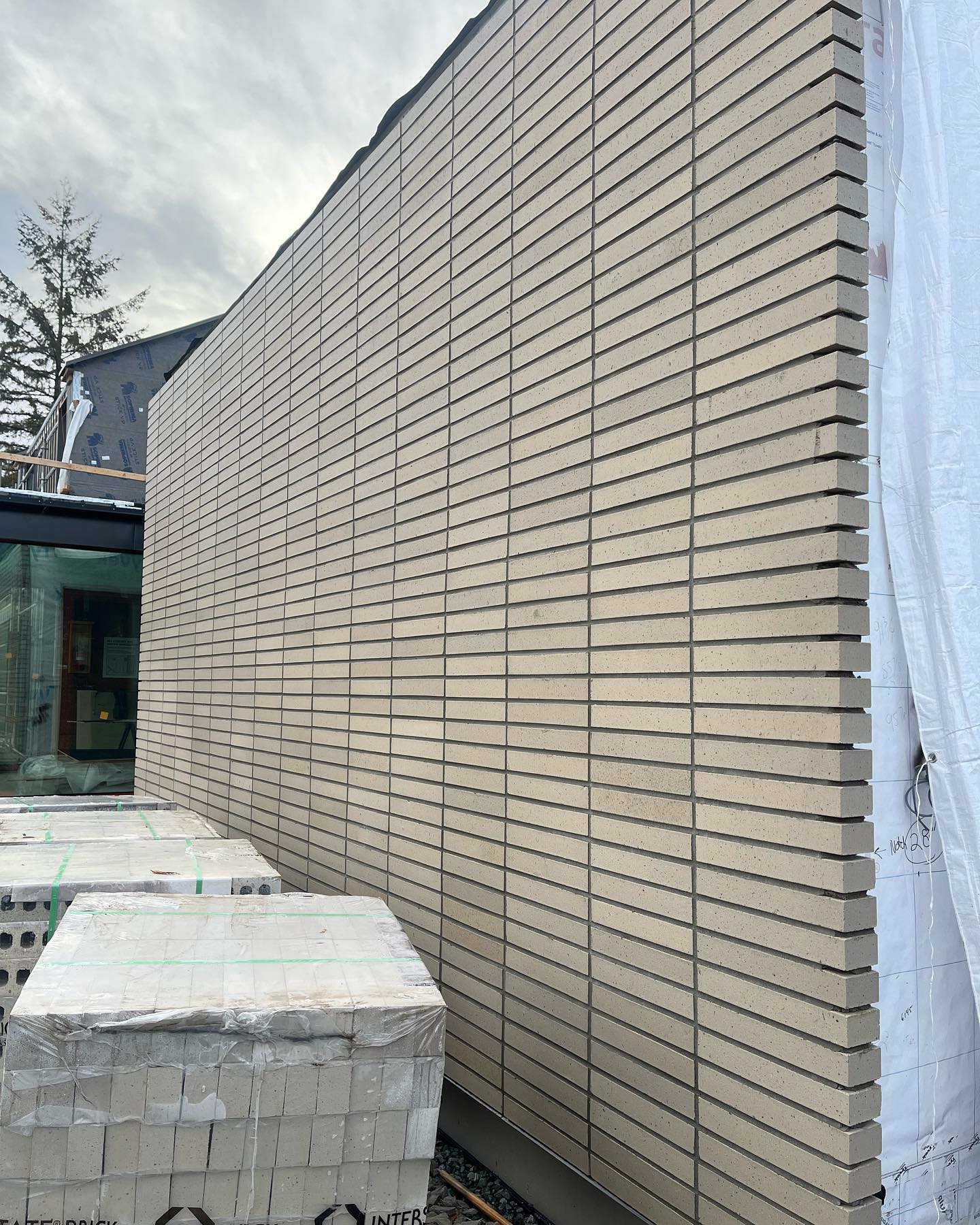
Ash Matte | Interstate Brick
Photo Credit: Clean Slate Masonry and Stone
Cleaning Depends on the Product
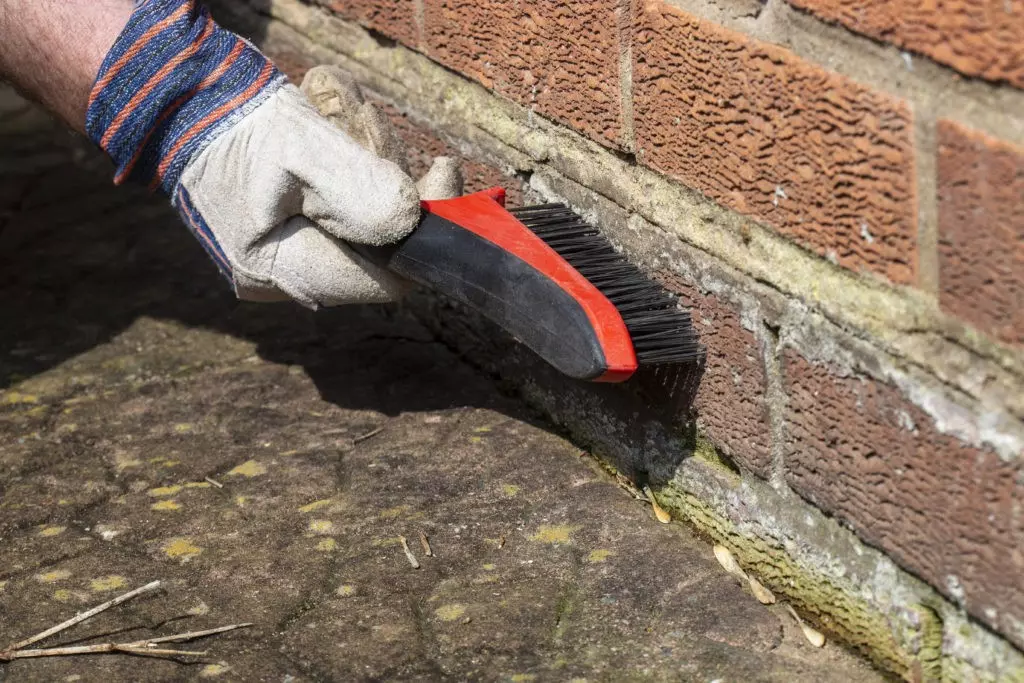
The appropriate cleaning method depends on the brick, mortar, joint profile and type of residue.
A cleaner or water pressure that works on one brick may damage another. Manufacturer instructions and project specifications should take priority over a general cleaning method, particularly when chemical cleaners or pressurized water are being considered.
The Brick Industry Association’s Technical Note 20 recommends testing the proposed cleaning method on a small, less visible area before cleaning the full wall. The test area should be allowed to dry so the result can be properly assessed.
Keeping the brick face as clean as possible during installation can also reduce the need for more aggressive cleaning later.
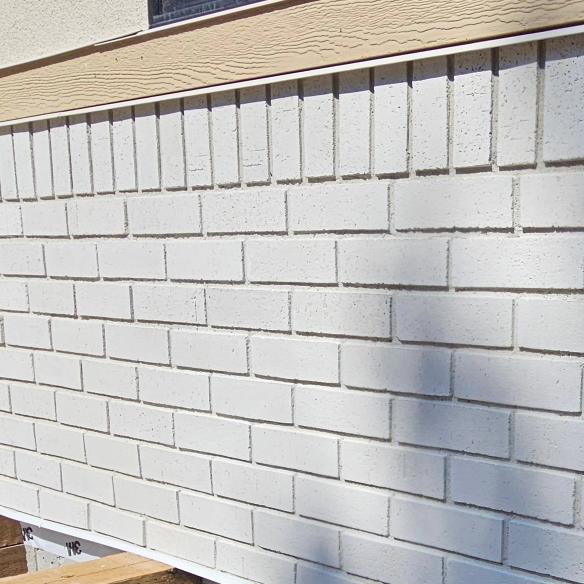
White Opal Wirecut Thin Brick | Rocky Mountain Stoneworks
Photo Credit: Spartan Masonry
Review the Product Before Starting
With an unfamiliar brick, the main consideration is where it may differ from products the crew installs regularly.
Useful information to confirm includes:
- Actual dimensions and tolerances
- IRA and absorption information
- Recommended mortar
- Handling and storage requirements
- Cleaning guidance
- Available special shapes
- Relevant project specifications
Not every brick calls for a completely different installation method. Product differences can still affect the work.
Reviewing those differences before the first course is laid can reduce avoidable adjustments later.
For more detailed product information, contact I-XL before installation begins.
Sources
- Brick Industry Association, Technical Note 7B: Water Penetration Resistance – Construction and Workmanship
- Brick Industry Association, Technical Note 8: Mortars for Brickwork
- Brick Industry Association, Technical Note 9: Manufacturing of Brick
- Brick Industry Association, Technical Note 9A: Specifications for and Classification of Brick
- Brick Industry Association, Technical Note 10: Dimensioning and Estimating Brick Masonry
- Brick Industry Association, Technical Note 20: Cleaning Brickwork